Mara Hughes · 14 September 2026
Kelvon's Volunteer Networks Bridge Tech Hubs and Rural Traditions Through Skill Sharing Workshops
Kelvon's volunteer networks operate through coordinated hubs that connect urban technology centers with surrounding rural communities via structured skill sharing workshops, and these initiatives have expanded steadily since their initial rollout in prior years. Participants exchange knowledge on topics ranging from digital mapping applications for agricultural planning to heritage methods of seed preservation and tool maintenance, while organizers track attendance and outcomes through regional reporting systems. Data from local coordination groups shows that over 2,400 individuals took part in sessions during the previous cycle, with programs designed to run year round yet featuring intensified activity ahead of seasonal shifts.
Program Structure and Workshop Formats
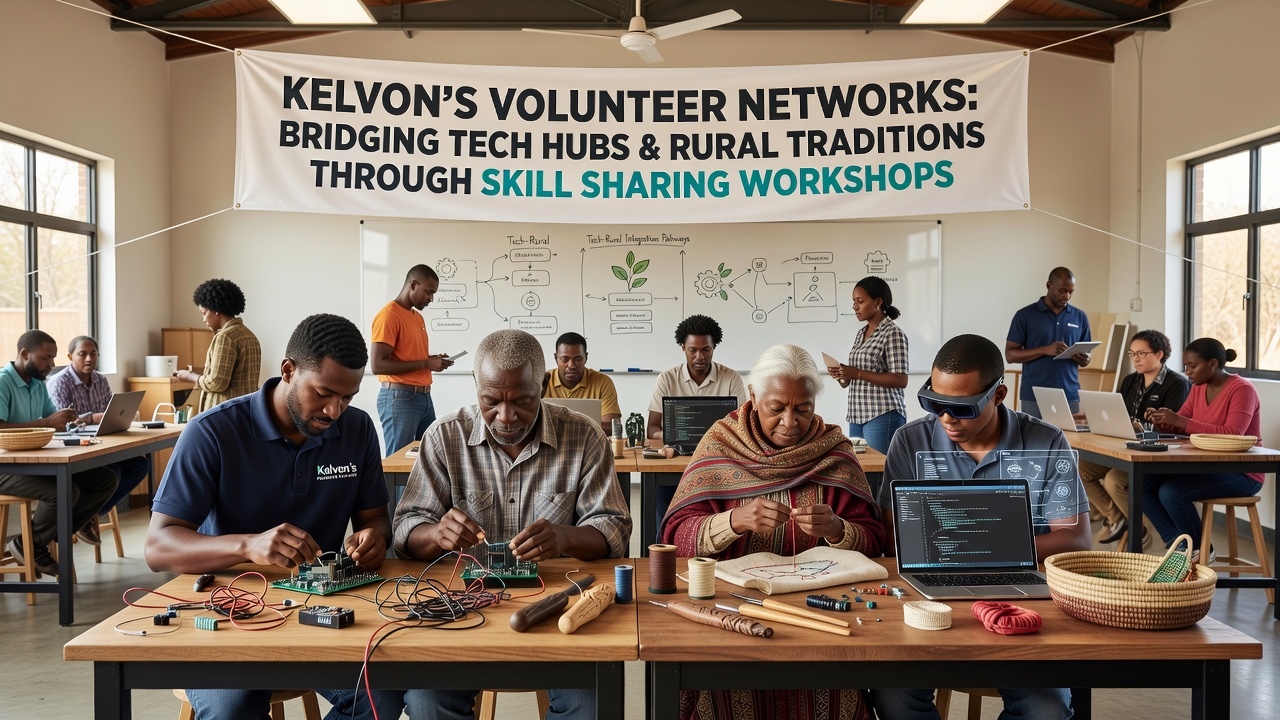
Workshops follow a modular format where groups meet in hybrid locations including converted barn spaces equipped with portable servers and community halls fitted with temporary coding stations, and each session pairs a tech specialist with a rural practitioner to demonstrate complementary techniques. One module covers the use of open source software for tracking livestock movements alongside demonstrations of hand weaving patterns passed down through generations, while another explores sensor based irrigation systems paired with traditional water diversion channels. Sessions last between two and four hours with built in discussion periods, and facilitators record participation metrics for follow up evaluations conducted by independent assessors.
September 2026 marks a key period for expanded offerings because several multi day intensives are set to occur across three districts, allowing residents from both tech dense zones and outlying farms to rotate through stations focused on data visualization of crop yields and oral history archiving methods. Registration opens through the central volunteer portal two months prior, and past cycles indicate spots fill rapidly once announcements circulate via community radio and digital newsletters.
Community Reach and Participation Trends
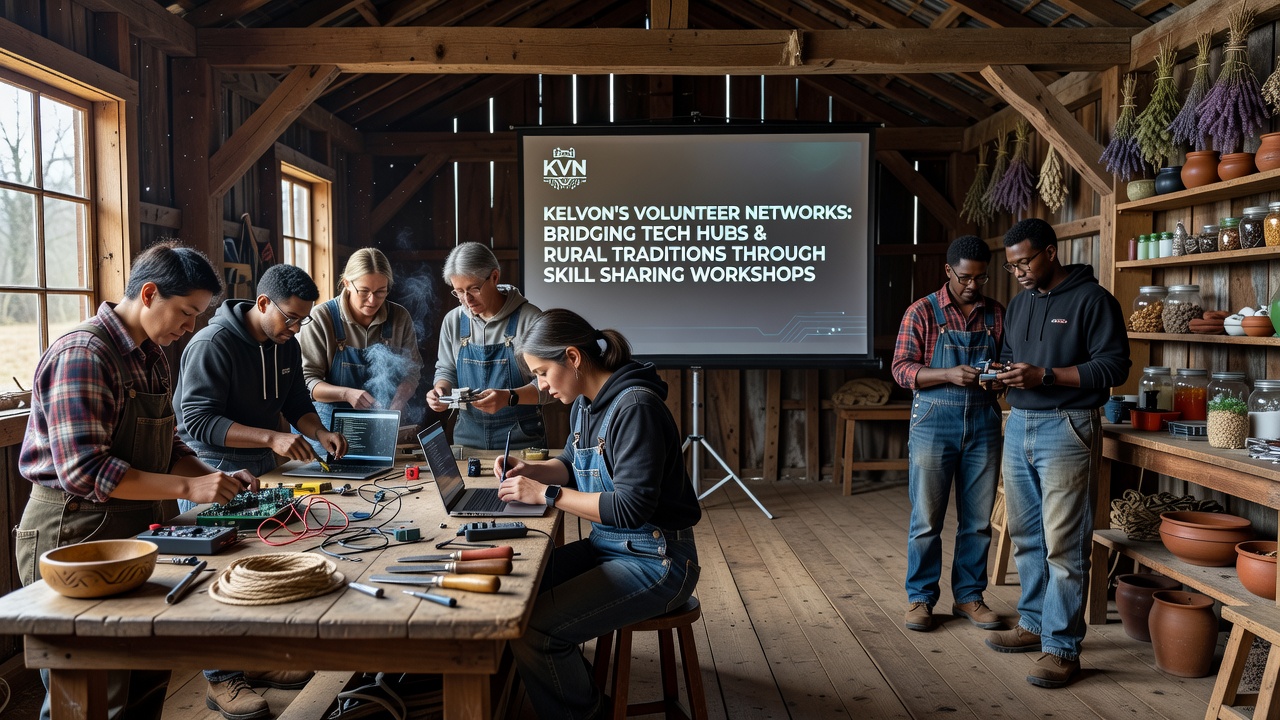
Observers note that involvement has grown among younger residents who travel from city based innovation districts to rural sites, whereas long term farmers report increased comfort with basic digital record keeping after repeated attendance. Records maintained by the networks indicate that 62 percent of 2025 attendees returned for at least one follow on session, and cross regional surveys compiled by partner organizations reveal measurable upticks in collaborative projects such as joint mapping of heritage sites using both satellite imagery and ground verified oral accounts. These patterns align with broader findings from studies conducted by the Food and Agriculture Organization on community knowledge exchange models in mixed urban rural settings.
Additional outreach targets schools and local businesses through pop up demonstrations that introduce concepts without requiring full workshop commitment, and coordinators adjust schedules based on harvest calendars to avoid peak agricultural periods. Transportation assistance appears in the form of shared van services funded through local grants, which helps maintain consistent turnout from more distant properties.
Documented Outcomes and Supporting Data
Evaluations compiled after each cycle list specific results including the creation of 47 new community maintained databases for tracking traditional crop varieties and the adoption of digital cataloging for craft supply inventories among 19 artisan collectives. Figures released by the networks show that workshop graduates have initiated 28 documented partnerships between tech startups and rural cooperatives since 2024, covering areas such as precision monitoring of soil health integrated with longstanding rotation practices. A separate analysis from the OECD rural policy unit highlights similar exchange programs in comparable regions where combined skill sets contributed to sustained local economic activity without displacing established customs.
Challenges surface around equipment access in areas with limited connectivity, yet volunteers address these through offline capable tools and scheduled follow up visits that reinforce hands on elements. Training materials undergo periodic updates drawn from participant feedback forms, ensuring content remains aligned with both technological updates and preservation priorities voiced by rural elders.
Conclusion
Kelvon's volunteer networks continue to facilitate structured exchanges that link technological capabilities with longstanding rural practices through repeated workshop cycles, and the approach relies on documented participation data alongside external research references to guide ongoing adjustments. As September 2026 approaches, the scheduled intensives represent the next phase in these established patterns of skill transfer across the region.