Casey Beck · 12 October 2026
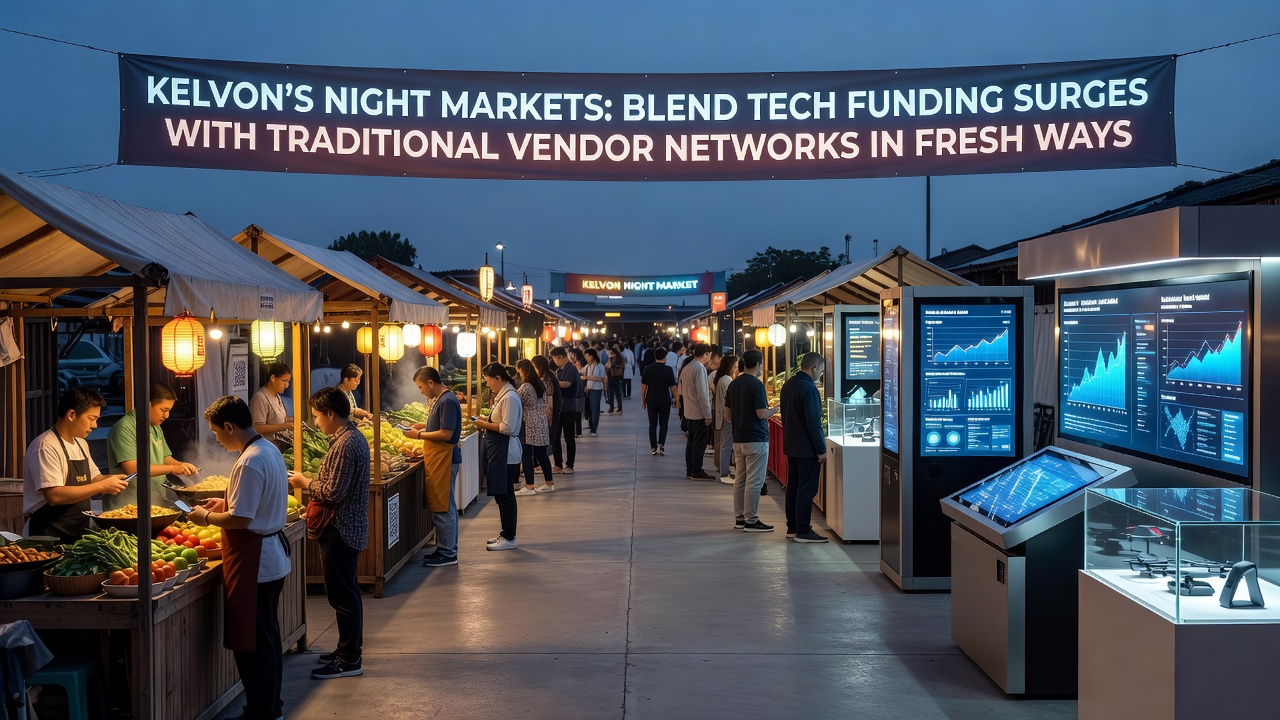
Kelvon's Night Markets Blend Tech Funding Surges with Traditional Vendor Networks in Fresh Ways
Observers note that Kelvon's night markets have long operated through established vendor networks built on personal relationships and seasonal trading patterns, yet recent developments show these networks absorbing technology funding in targeted ways. Data from local market associations indicates that investments in mobile ordering platforms and supply chain tracking tools reached new levels during 2025, with additional allocations reported in October 2026 as seasonal festivals approached.
Traditional Vendor Structures in Kelvon
Traditional vendor networks in Kelvon rely on kinship ties and recurring stall assignments that date back generations, allowing families to maintain consistent product lines while sharing transportation resources across multiple sites. Researchers at regional trade institutes have documented how these arrangements reduce overhead costs through collective bargaining for produce and equipment, and evidence from market records shows participation rates holding steady even as urban expansion pressures increase.
Those who have tracked vendor activity over the past decade point out that cash transactions still dominate at many stalls, but digital ledgers now supplement paper logs in several locations. This shift aligns with broader patterns observed in similar markets across different regions, where established social structures adapt without full replacement of core practices.
Tech Funding Inflows and Their Scope
Funding surges have come through grants and venture allocations aimed at digitizing inventory management and customer outreach for smaller operators. Figures released by the Kelvon Chamber of Commerce reveal that technology-related disbursements in the night market sector grew by measurable margins between 2024 and 2026, with October 2026 marking a concentrated round tied to infrastructure upgrades ahead of peak tourist periods.
According to reports compiled by the Australian Trade and Investment Commission on small business digitization, similar funding models have supported vendor groups in comparable settings by providing access to shared software platforms rather than individual hardware purchases. In Kelvon these resources have enabled coordinated delivery schedules and real-time stock updates across linked stalls, connecting previously independent operators into tighter logistical loops.
Integration Patterns Emerging in October 2026
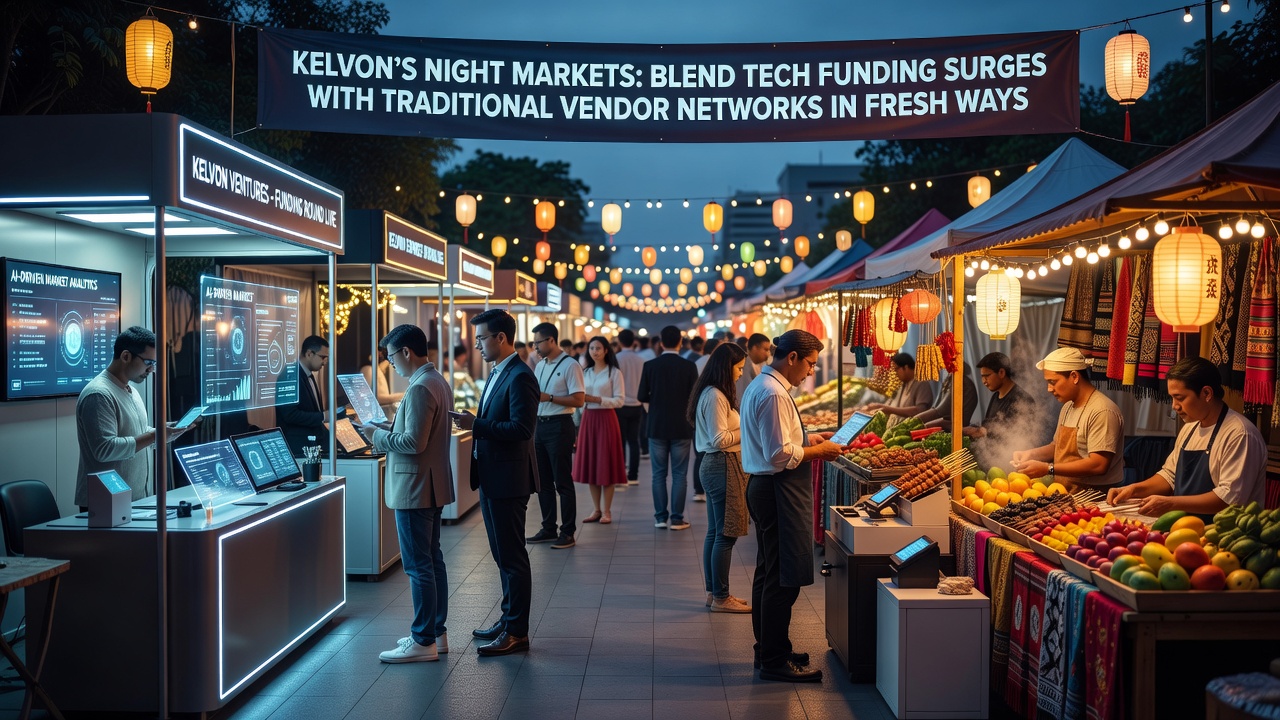
Blending occurs when funding supports tools that fit existing network rhythms instead of overriding them. Market coordinators have introduced applications that allow stall holders to post daily availability lists while preserving the physical layout and face-to-face bargaining that define the experience. Studies from university economics departments tracking these adaptations note that adoption rates rise when training sessions occur on-site during off-peak hours, minimizing disruption to evening trade.
One documented case involves a cluster of produce vendors who pooled portions of a technology grant to install sensors for spoilage monitoring, then shared the resulting data through their longstanding communication channels. This approach maintained group decision-making authority while adding precision to stock rotation. Observers tracking October 2026 activity report that such hybrid methods appeared at multiple sites during harvest festivals, coinciding with increased foot traffic and extended operating hours.
Network Expansion Through Shared Platforms
Traditional networks gain reach when digital tools connect them to suppliers outside immediate geographic circles. Evidence compiled by the OECD on regional commerce shows that vendor groups using interoperable ordering systems can secure better terms on imported goods without severing ties to local growers. In Kelvon this has translated to staggered delivery windows that accommodate both perishable market staples and specialty items sourced through online catalogs.
Researchers have observed that these connections strengthen rather than dilute the original social fabric, because decisions about which platforms to adopt still route through established leadership structures within each vendor association. Participation data collected through 2026 indicates sustained membership numbers alongside gradual increases in average transaction values per stall.
Conclusion
Patterns in Kelvon demonstrate how technology funding can layer onto longstanding vendor networks when implementation respects existing hierarchies and trading customs. Records from October 2026 and preceding periods illustrate measurable uptake of selected digital features without wholesale replacement of physical market operations. Continued documentation by trade bodies and academic researchers will clarify the long-term balance between these elements as funding cycles progress.