Casey Beck · 28 September 2026
Blending Forgotten Histories with Cutting-Edge Science in Kelvon Classrooms
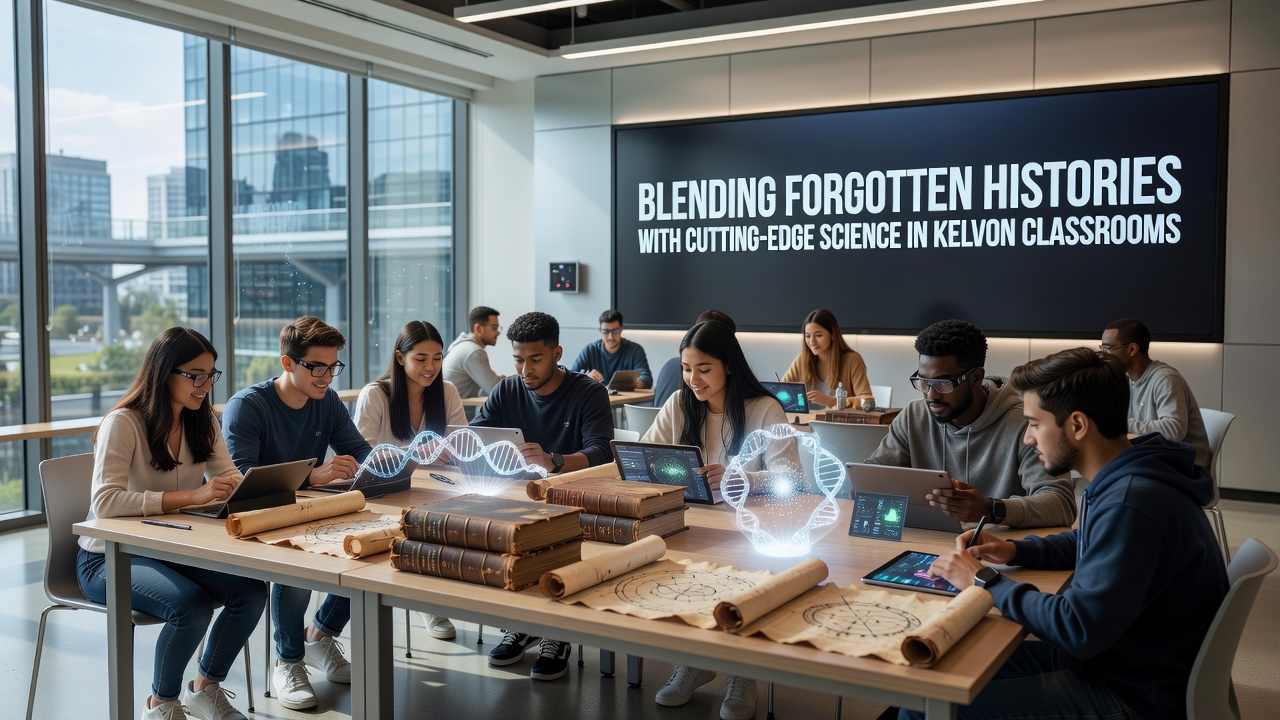
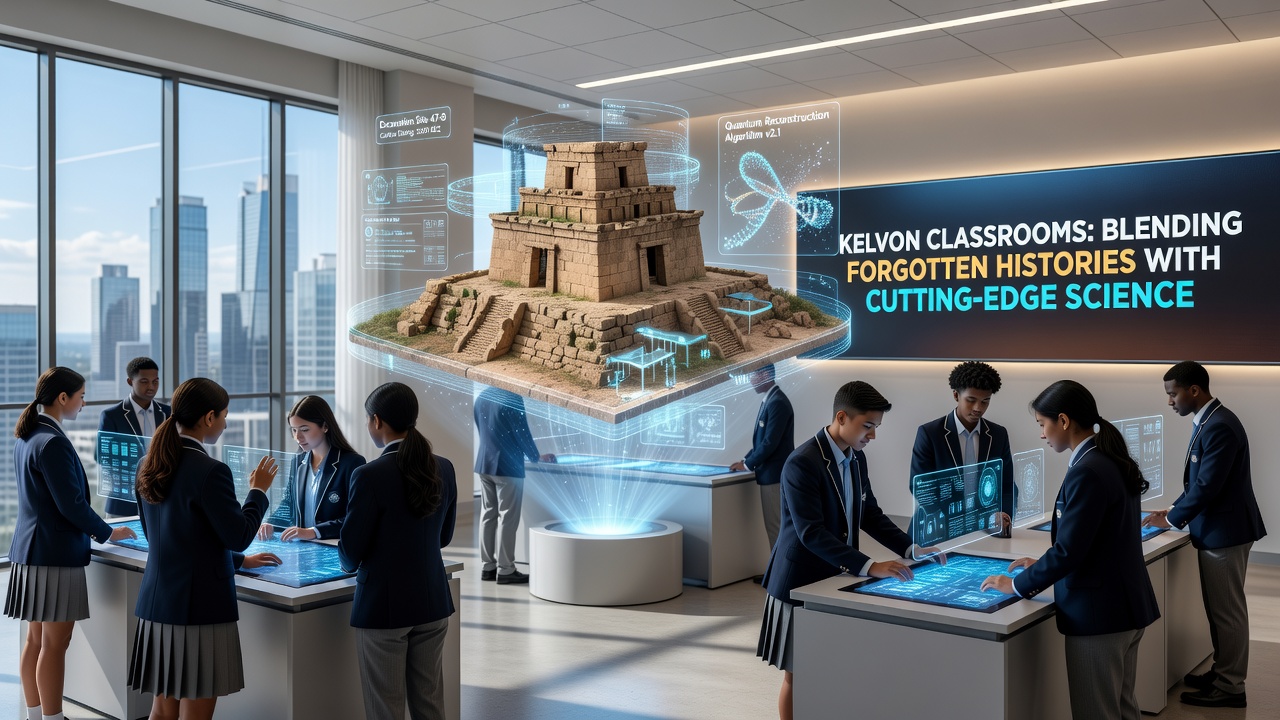
Kelvon educators have integrated local archival records with advanced technologies including virtual reality reconstructions and DNA analysis tools to create classroom programs that connect past events with current scientific methods. These initiatives draw on community-collected oral histories alongside genomic data from regional archaeological sites and they have expanded across multiple school districts since early planning phases began in 2024.
Programs focus on specific periods such as 19th-century settlement patterns and pre-colonial land use practices documented through both written ledgers and soil sample testing. Teachers present students with layered datasets where historical maps align with satellite imagery and carbon dating results to verify timelines. Students examine these materials during structured sessions that run for three to four hours each week and they compare findings across different sources before compiling group reports.
Core Curriculum Components
Core elements include sessions on archival digitization where teams scan physical documents and cross-reference them against public databases maintained by regional heritage organizations. Another segment covers basic sequencing techniques applied to preserved plant remains recovered from local excavation zones. Instructors demonstrate how machine learning algorithms sort through thousands of fragmented records to identify recurring names or locations that traditional manual reviews might overlook.
One project tracks migration routes by combining family tree data submitted by residents with isotope analysis from skeletal remains held in university collections. Participants learn to input variables into modeling software that generates probability maps and these outputs then feed into discussions about environmental changes over centuries. September 2026 marks the rollout of an updated module that incorporates real-time sensor feeds from ongoing dig sites located near the Kelvon river valley.
Technology Integration Details
Virtual environments allow users to navigate reconstructed settlements based on lidar scans and historical photographs while audio overlays deliver narrated accounts drawn from transcribed interviews. Hardware setups consist of standard classroom tablets paired with affordable VR viewers and open-source software platforms that permit customization by individual teachers. Network connectivity relies on existing school infrastructure upgraded through partnerships with local technology providers who supply maintenance support.
Data handling follows protocols established by education authorities that emphasize student privacy and source attribution. Each module concludes with assessments where learners submit annotated timelines that reference both textual evidence and laboratory outputs. Observers note steady enrollment growth with over 1,200 participants registered across five schools during the 2025 academic year according to district reports.
Community and Institutional Partnerships
Local historical societies supply primary documents while research teams from institutions such as the University of British Columbia contribute analytical frameworks for interpreting genetic markers. These collaborations result in joint workshops where scientists explain sequencing processes and historians contextualize the findings within broader settlement narratives. Funding streams include grants from provincial education ministries and private foundations focused on digital preservation.
Additional resources come through agreements with the Australian Research Council which shares methodologies for integrating indigenous knowledge systems with quantitative datasets. Teachers adapt these approaches to fit Kelvon-specific contexts and they adjust pacing based on student feedback collected at the end of each term. Progress tracking occurs via centralized dashboards that aggregate anonymized performance metrics without storing personal identifiers.
Implementation Timeline and Outcomes
Initial pilot classes launched in spring 2025 and evaluation data collected after six months showed increased student engagement with both history and science subjects. Metrics tracked include completion rates for module assignments and scores on standardized tests covering related content areas. September 2026 brings an expanded version that adds modules on climate reconstruction using tree ring samples paired with weather log entries from the same eras.
Training for educators involves two-day intensives covering both technical operation of the software and ethical considerations around cultural materials. District coordinators report that participating schools have formed inter-classroom networks to share lesson plans and troubleshooting tips. These exchanges occur through secure online forums hosted on regional education portals.
Conclusion
Kelvon classrooms continue to refine these blended approaches as new technologies emerge and additional historical materials become digitized. Ongoing evaluations will assess long-term retention of interdisciplinary concepts and adjustments will follow patterns observed in the collected datasets. The programs maintain focus on verifiable evidence from multiple disciplines while supporting structured learning environments across the district.